of tree failures show warning signs months before collapse
— ISA Tree Risk Assessment Qualification, 2024
homeowners has a high-risk tree they don't know about
— TCIA National Homeowner Survey, 2023
average property damage from a single fallen trunk
— Insurance Information Institute, Storm Loss Data 2024
No obligation · Covers your full property
All assessments by Board-Certified Master Arborists
Plain answers.
Hard evidence.
Every answer is backed by ISA research, insurance loss data, and two decades of field assessments.
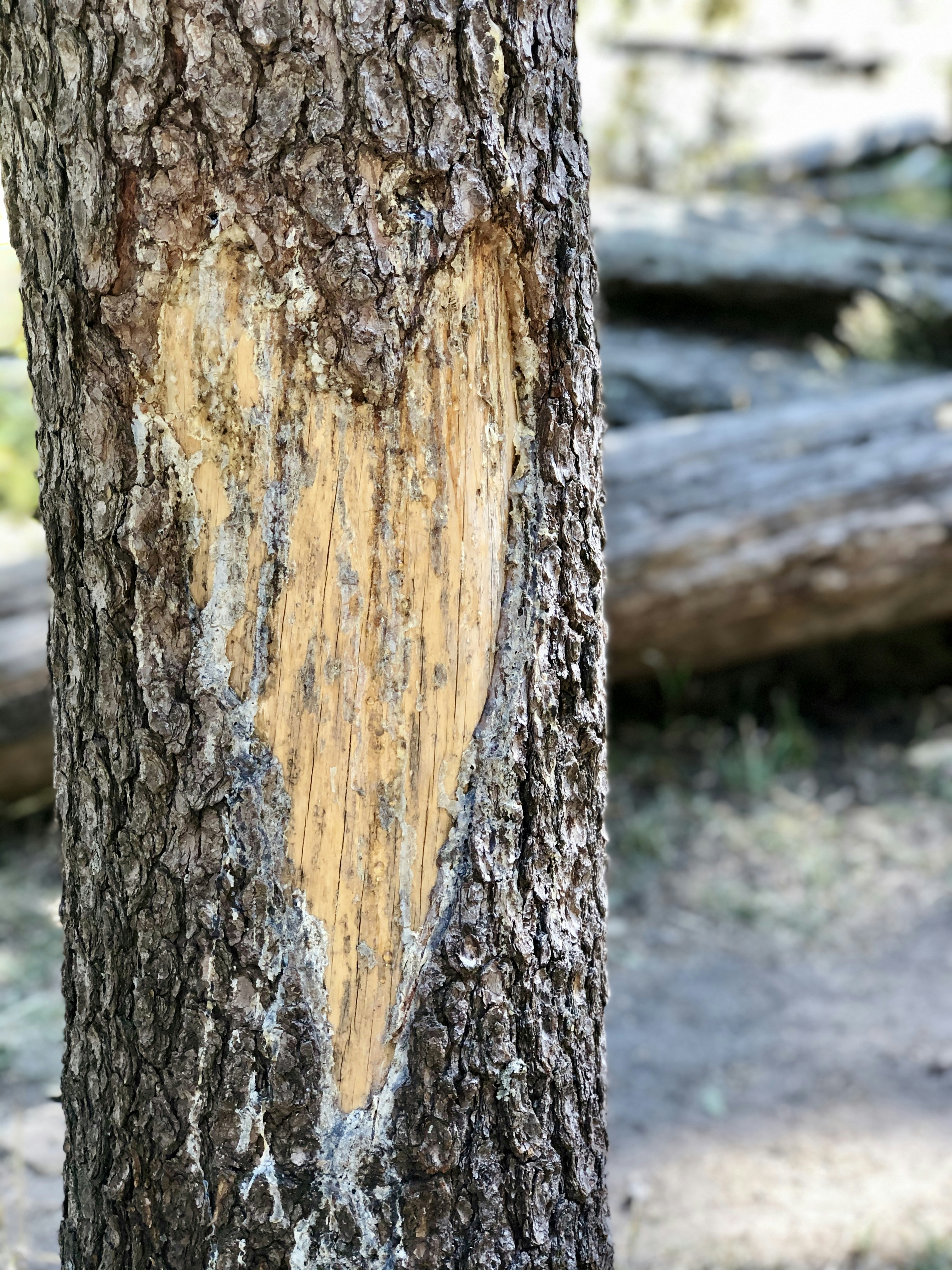
A dying tree reveals itself through a layered pattern of signals. Scratch a small patch of bark — green, moist cambium means life; dry, brown tissue means that section is dead. Look for sparse or absent foliage during growing season, branches that snap instead of bend, and bark that peels or falls away without new growth beneath.
A dying tree reveals itself through a layered pattern of signals. Scratch a small patch of bark — green, moist cambium means life; dry, brown tissue means that section is dead. Look for sparse or absent foliage during growing season, branches that snap instead of bend, and bark that peels or falls away without new growth beneath.
- Dry, brown leaves remaining through winter
- Mushrooms or conks at the base (active decay)
- Bark peeling with no green cambium beneath
- Brittle branches that snap instead of bend
- Sparse canopy during peak growing season
Removal costs hinge on three variables: tree height, proximity to structures, and whether the trunk is already compromised. A straightforward small tree in open lawn runs $300–$500. A 70-foot oak leaning toward your roof with a crane requirement can exceed $5,000. Prices also run 10–20% higher in summer when demand peaks — winter and early spring are the off-season sweet spot.
Removal costs hinge on three variables: tree height, proximity to structures, and whether the trunk is already compromised. A straightforward small tree in open lawn runs $300–$500. A 70-foot oak leaning toward your roof with a crane requirement can exceed $5,000. Prices also run 10–20% higher in summer when demand peaks — winter and early spring are the off-season sweet spot.
- Stump grinding: $150–$450 additional
- Crane rental: ~$200/hour for tight spaces
- Permit fees: $75–$150 per tree (most municipalities)
- Off-season (Jan–Mar) discount: 10–20%
2025–2026 Regional Price Ranges
- Stump grinding: $150–$450 additional
- Crane rental: ~$200/hour for tight spaces
- Permit fees: $75–$150 per tree (most municipalities)
- Off-season (Jan–Mar) discount: 10–20%
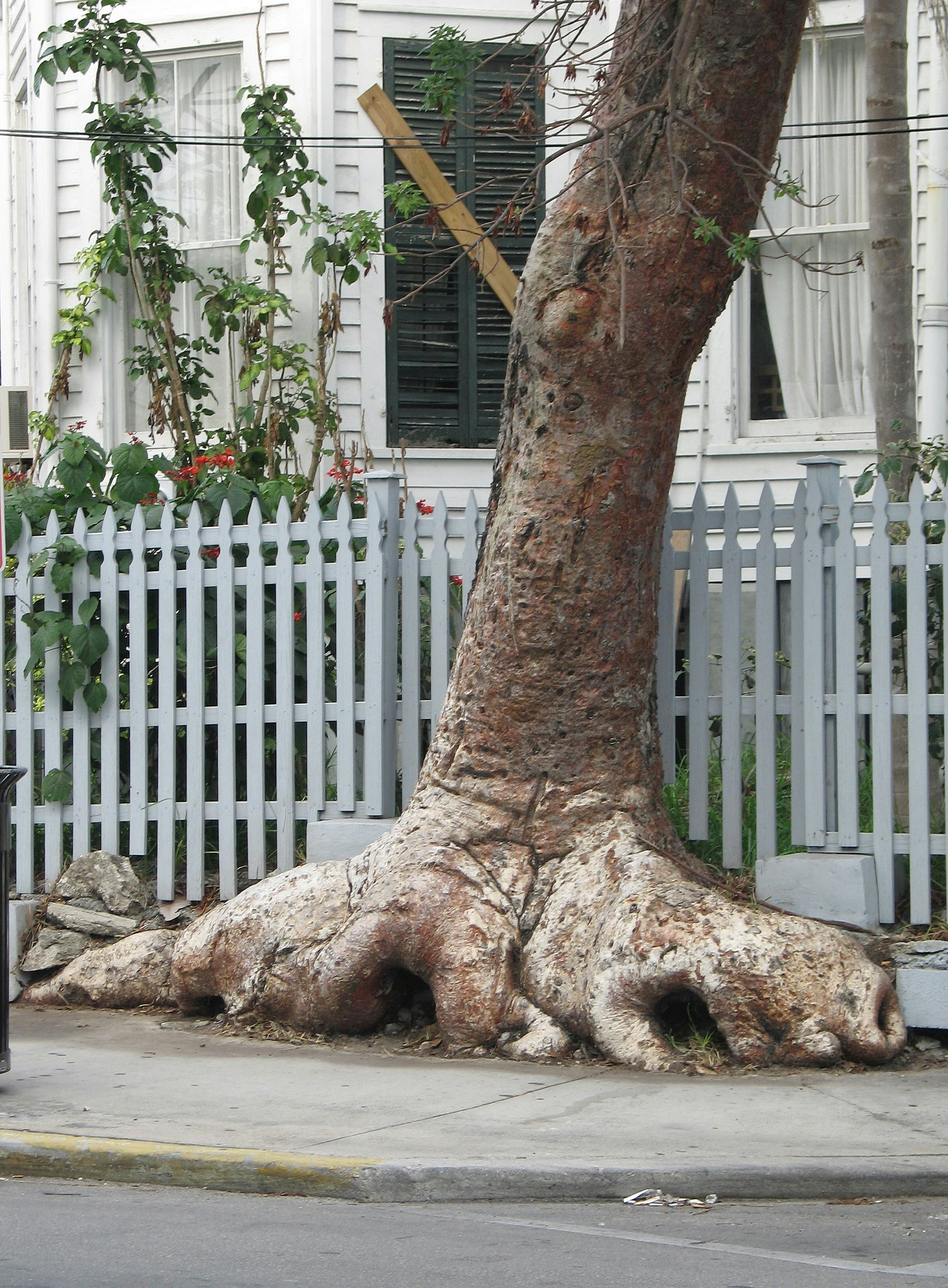
The rule of thumb arborists use: a tree's root zone typically extends 1.5× the height of the tree in all directions. A 50-foot oak has roots reaching 75 feet out. Roots don't break foundations directly — they exploit existing cracks and accelerate moisture-related heaving. The real danger zone is within 10 feet for trees over 30 feet tall.
The rule of thumb arborists use: a tree's root zone typically extends 1.5× the height of the tree in all directions. A 50-foot oak has roots reaching 75 feet out. Roots don't break foundations directly — they exploit existing cracks and accelerate moisture-related heaving. The real danger zone is within 10 feet for trees over 30 feet tall.
- Root zone = 1.5× tree height radius
- Under 10 ft from foundation: high encroachment risk
- 10–20 ft: monitor annually
- Over 20 ft: low direct risk, check for soil heaving
Still unsure about your trees? A certified arborist can assess your full property in one visit.
Get a Free Tree AssessmentA cracked limb is not the same as a cracked trunk. Limb cracks in the upper canopy are often manageable with proper pruning. Vertical cracks running down the trunk — especially at the crotch where two major stems meet — indicate structural compromise that cannot be reversed. If you can see daylight through a crack or the bark has fully separated, treat it as an emergency.
A cracked limb is not the same as a cracked trunk. Limb cracks in the upper canopy are often manageable with proper pruning. Vertical cracks running down the trunk — especially at the crotch where two major stems meet — indicate structural compromise that cannot be reversed. If you can see daylight through a crack or the bark has fully separated, treat it as an emergency.
- Vertical trunk cracks: immediate professional evaluation
- Horizontal limb cracks: often manageable by pruning
- Split crotch (codominant stems): high structural risk
- Root plate lifting: evacuate the drop zone immediately
of post-storm tree failures occur within 72 hours of the initial damage event
- Vertical trunk cracks: immediate professional evaluation
- Horizontal limb cracks: often manageable by pruning
- Split crotch (codominant stems): high structural risk
- Root plate lifting: evacuate the drop zone immediately
Most municipalities require a permit for any tree over 10 feet tall, regardless of whether it's on your property. Permit fees typically run $75–$150 per tree and take 3–10 business days to process. Emergency permits exist but cost more. If the tree is a protected species or a designated heritage tree, removal may be denied outright — and illegal removal can result in fines equal to the tree's appraised value.
Most municipalities require a permit for any tree over 10 feet tall, regardless of whether it's on your property. Permit fees typically run $75–$150 per tree and take 3–10 business days to process. Emergency permits exist but cost more. If the tree is a protected species or a designated heritage tree, removal may be denied outright — and illegal removal can result in fines equal to the tree's appraised value.
- Standard permit: $75–$150, 3–10 business days
- Emergency permit: higher cost, faster processing
- Heritage/protected trees: removal may be denied
- Arborist report may be required: avg. $860
- Illegal removal fines: up to full appraised tree value
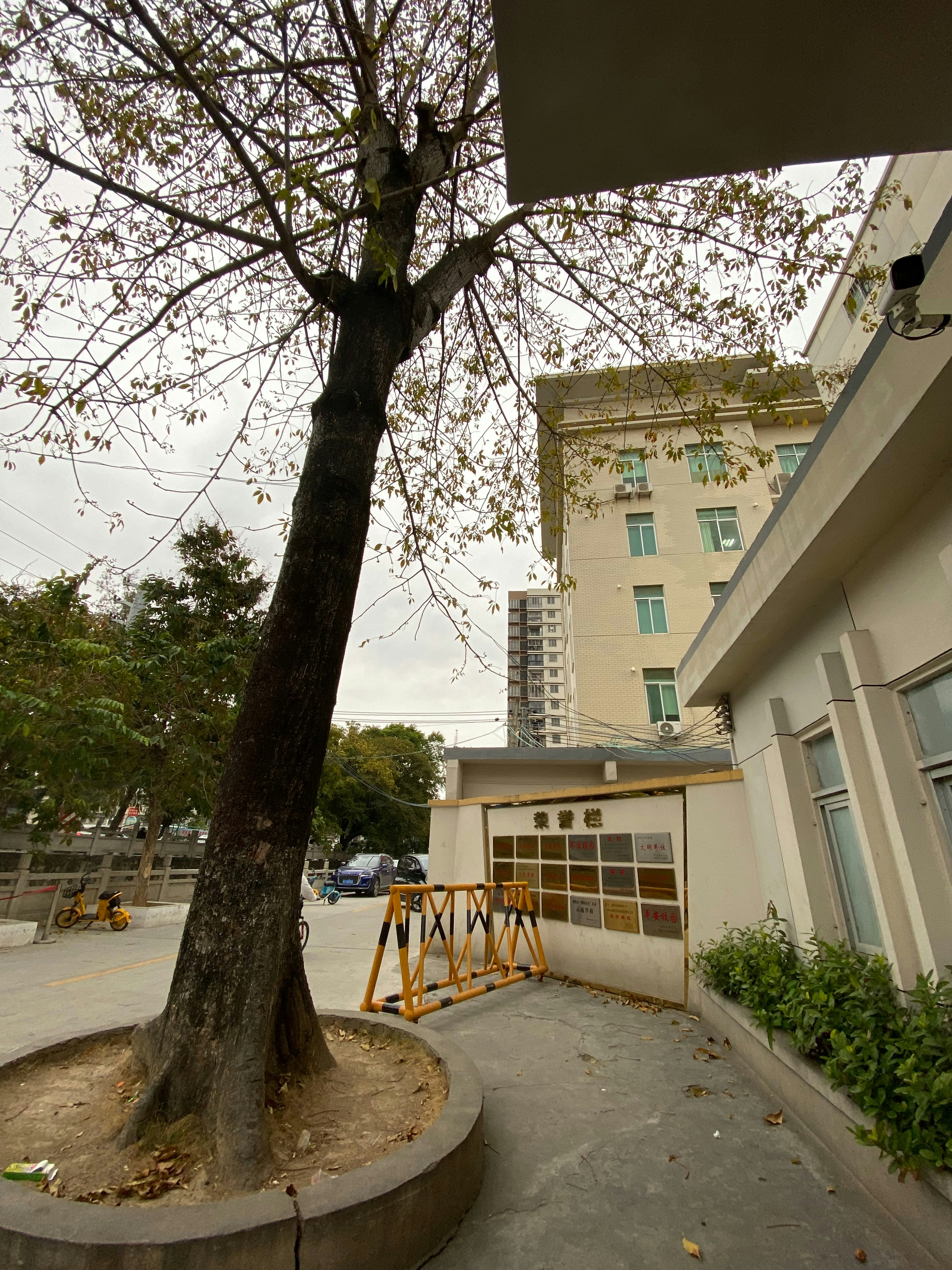
Liability hinges on knowledge. If you had no prior indication the tree was hazardous, your neighbor's homeowner insurance typically covers the damage to their property. But if warning signs were present — a leaning trunk, dead branches your neighbor complained about, visible decay — courts have consistently found the tree owner negligent. Documented annual inspections are your legal defense.
Liability hinges on knowledge. If you had no prior indication the tree was hazardous, your neighbor's homeowner insurance typically covers the damage to their property. But if warning signs were present — a leaning trunk, dead branches your neighbor complained about, visible decay — courts have consistently found the tree owner negligent. Documented annual inspections are your legal defense.
- No prior knowledge → neighbor's insurance covers it
- Documented warnings ignored → owner liable
- Annual inspection records = legal protection
- Insurers can deny claims citing "neglected hazard"
average property damage claim from a single fallen trunk — often disputed by insurers when warning signs were present
- No prior knowledge → neighbor's insurance covers it
- Documented warnings ignored → owner liable
- Annual inspection records = legal protection
- Insurers can deny claims citing "neglected hazard"
9 signs that warrant
a professional look.
Mushrooms at the base
Fruiting bodies of fungi actively decomposing internal wood. By the time they're visible, significant decay has already occurred.
Call an arborist today. Do not wait.
Vertical trunk cracks
Running top-to-bottom cracks indicate internal structural failure or severe storm damage. The tree is losing its ability to transport water and nutrients.
Emergency assessment within 24–48 hours.
Root plate lifting
Soil mounding or roots pulling up from the ground signal anchor failure. The tree can fall with no further warning.
Clear the drop zone immediately. Emergency removal.
Lean greater than 10°
Trees leaning more than 10 degrees from vertical have high failure potential, especially if the lean has increased over recent years.
Professional inspection within 2 weeks.
Dead crown (over 50%)
When more than half the canopy is dead, the tree cannot sustain itself. Dead wood becomes brittle and unpredictable.
Schedule assessment and removal quote.
Codominant stems with crack
Two major stems competing from the same crotch create a weak union. A crack at the junction means imminent split risk.
Cable bracing or removal — arborist decision.
Sparse foliage in season
Thin canopy during peak growing season suggests root stress, soil compaction, or early disease. Not immediately dangerous but declining.
Annual monitoring. Soil test recommended.
Bark peeling or missing
Large areas without bark can indicate past damage, disease, or pest activity. Assess whether cambium beneath is green and healthy.
Inspect cambium. Monitor for expansion.
Roots near foundation
Roots within 10 feet of a structure exploit existing cracks and accelerate moisture-related heaving over years.
Root barrier or removal evaluation.
Homeowner's Tree Risk Checklist
The same 24-point inspection form our arborists use in the field — formatted for homeowners. Walk your property in 20 minutes.
Assessments completed
Since 2008
ISA Certified Arborists
On our team
States served
Northeast & Mid-Atlantic
Client satisfaction
Post-assessment survey
"I'd been ignoring a lean in our Norway maple for two years. Canopy's arborist showed up, pointed out the root plate shifting, and had it down before the next storm season. The neighbor's fence would have been gone."
Margaret Chen
Westchester County, NY
"We manage 34 properties with mature trees. Canopy does our annual assessments and gives us documentation that satisfies our insurance carrier. It's cut our liability exposure significantly."
David Okafor
Property Manager, Philadelphia PA
"Closing was two weeks out and the buyers flagged a massive silver maple over the detached garage. Canopy turned around a written hazard assessment in 48 hours. Deal closed on time."
Susan Marchetti
Real Estate Agent, Northern NJ
Know what you're
looking at.
Tell us your address and what concerns you most. A certified arborist will check satellite canopy coverage before arriving — so they show up knowing your trees before they set foot on your property.
We review satellite imagery of your canopy coverage
A certified arborist walks your full property
You receive a written risk report within 24 hours
No sales pressure · No obligation · Your information is never shared